Foot Wounds and Proper Podiatric Care

A foot wound is an opening, sore, or damaged area on the foot. Foot wounds can develop from pressure, friction, or poor circulation. Common types include diabetic foot ulcers, pressure sores, and infected wounds. Symptoms may include redness, swelling, or a wound that does not heal. People with diabetes, circulation problems, or repeated pressure may have a higher risk of serious wounds. Wearing poor footwear can also contribute to pressure and skin breakdown.

Treatment depends on the wound and the reason it developed. A podiatrist will examine the wound and assess circulation, sensation, and infection. Debridement may be performed to remove dead tissue, and this can help create a cleaner surface for healing. Pressure relief is also important. A podiatrist may recommend special footwear or padding, and regular dressing changes protect the area and support healing.

Regular wound care supports healing. A podiatrist may clean the wound and apply a dressing, and it may need to be changed regularly as directed. Antibiotics may be needed when a bacterial infection is present. Serious wounds may need additional care. Your podiatrist will monitor healing and adjust treatment. Keeping pressure off the wound can prevent further damage. Good blood sugar control can also support healing. Following care instructions can help protect the wound between visits.

Do not ignore a foot wound that becomes painful, swollen, or produces drainage. A wound that remains open or shows little improvement deserves attention. Early treatment can help reduce complications and support healing. A podiatrist can explain daily foot care and prevention. Check your feet regularly during daily activities and while wearing supportive shoes. If you have a foot wound, it is suggested that you consult a podiatrist for effective relief and appropriate treatment solutions. 

Wound care is an important part in dealing with diabetes. If you have diabetes and a foot wound or would like more information about wound care for diabetics, consult with one of our podiatrists from Foot and Ankle Center. Our doctors will assess your condition and provide you with quality foot and ankle treatment.

What Is Wound Care?

Wound care is the practice of taking proper care of a wound. This can range from the smallest to the largest of wounds. While everyone can benefit from proper wound care, it is much more important for diabetics. Diabetics often suffer from poor blood circulation which causes wounds to heal much slower than they would in a non-diabetic. 

What Is the Importance of Wound Care?

While it may not seem apparent with small ulcers on the foot, for diabetics, any size ulcer can become infected. Diabetics often also suffer from neuropathy, or nerve loss. This means they might not even feel when they have an ulcer on their foot. If the wound becomes severely infected, amputation may be necessary. Therefore, it is of the upmost importance to properly care for any and all foot wounds.

How to Care for Wounds

The best way to care for foot wounds is to prevent them. For diabetics, this means daily inspections of the feet for any signs of abnormalities or ulcers. It is also recommended to see a podiatrist several times a year for a foot inspection. If you do have an ulcer, run the wound under water to clear dirt from the wound; then apply antibiotic ointment to the wound and cover with a bandage. Bandages should be changed daily and keeping pressure off the wound is smart. It is advised to see a podiatrist, who can keep an eye on it.

If you have any questions please contact our office located in Egg Harbor Township, NJ . We offer the newest diagnostic and treatment technologies for all your foot and ankle needs.
Read more about Wound Care

Understanding Hammertoe and Toe Pain

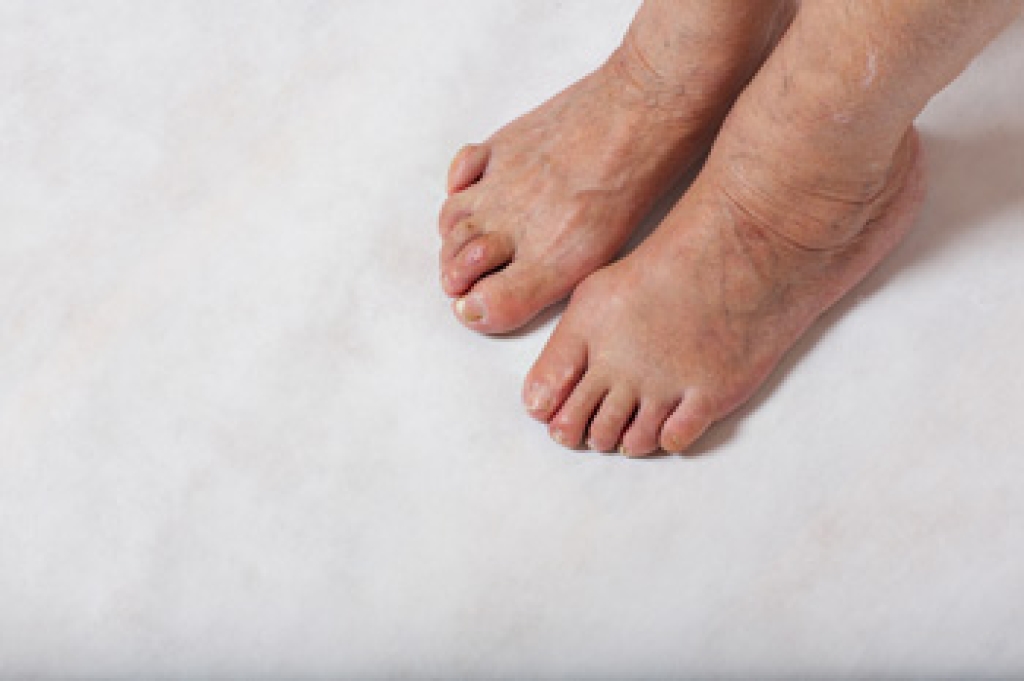
Hammertoe develops when one of the smaller toes bends abnormally at its middle joint instead of lying flat. The condition most frequently affects the second, third, or fourth toe. An imbalance in the muscles and tendons that control the toe can contribute to this bent position. Foot structure and certain types of shoes can also place added pressure on the toes. Symptoms include pain, stiffness, and difficulty moving the affected toe. Corns can develop where the bent toe rubs against the inside of a shoe. Calluses can also form where increased pressure occurs. At first, the toe may remain flexible, but it can become harder to straighten as the condition progresses. Hammertoe can make standing, walking, and wearing shoes uncomfortable.

A podiatrist evaluates hammertoe by examining the position and movement of the affected toe. An examination includes checking toe flexibility, areas of tenderness, and changes in the skin caused by pressure. The podiatrist also evaluates the overall structure of the foot and how pressure is distributed while standing or walking. Treatment focuses on reducing pressure and improving comfort. Custom orthotics help support the foot and improve pressure distribution. A podiatrist can also recommend shoes with enough room in the toe area to reduce rubbing against the bent toe. Targeted treatment also addresses corns or calluses that develop from repeated pressure.

Hammertoe can affect balance and change how the foot functions during everyday activities. Patients may shift their weight to avoid pressure on the painful toe, which can place added stress on other areas of the foot. A podiatrist can identify these changes and develop a treatment plan based on the severity and flexibility of the hammertoe. Care focuses on reducing painful pressure and supporting better foot function. Treatment may be adjusted according to the patient's symptoms and response to care. Early evaluation helps address discomfort before the toe becomes more rigid and difficult to move. If you have symptoms of hammertoe, it is suggested that you make an appointment with a podiatrist for diagnosis and treatment.

Hammertoes can be a painful condition to live with. For more information, contact one of our podiatrists of Foot and Ankle Center. Our doctors will answer any of your foot- and ankle-related questions.

Hammertoe

Hammertoe is a foot deformity that occurs due to an imbalance in the muscles, tendons, or ligaments that normally hold the toe straight. It can be caused by the type of shoes you wear, your foot structure, trauma, and certain disease processes.

Symptoms

  • Painful and/or difficult toe movement
  • Swelling
  • Joint stiffness
  • Calluses/Corns
  • Physical deformity

Risk Factors

  • Age – The risk of hammertoe increases with age
  • Sex – Women are more likely to have hammertoe compared to men
  • Toe Length – You are more likely to develop hammertoe if your second toe is longer than your big toe
  • Certain Diseases – Arthritis and diabetes may make you more likely to develop hammertoe

Treatment

If you have hammertoe, you should change into a more comfortable shoe that provides enough room for your toes. Exercises such as picking up marbles may strengthen and stretch your toe muscles. Nevertheless, it is important to seek assistance from a podiatrist in order to determine the severity of your hammertoe and see which treatment option will work best for you.

If you have any questions, please feel free to contact our office located in Egg Harbor Township, NJ . We offer the newest diagnostic and treatment technologies for all your foot care needs.

Read more about What Are Hammertoes?

Do You Suffer From Painful Feet?

Painful deformities, such as hammertoes, can be treated. Stop living with foot pain, and have beautiful feet again!

When Foot Pain Needs Attention

Flat feet occur when the arches of the feet appear flattened while standing. In young children, little or no visible arch can be a normal part of development. The arch usually becomes more noticeable as a child grows. Flexible flatfoot is one form in which the arch appears when the child is sitting or standing on tiptoes, but flattens when standing normally. Many children with flexible flat feet have no pain. However, some develop discomfort or problems with activity that deserve a closer evaluation by a podiatrist.

Parents can watch for signs that flat feet are affecting a child’s comfort or movement. Symptoms can include pain, tenderness, or cramping in the feet or legs. Some children have difficulty with certain activities or become tired more quickly than expected. Another type, called rigid flatfoot, remains flat whether the child is standing or sitting. This form can be linked to problems with the bones or joints of the foot. A podiatrist can examine foot structure, watch how the child walks, and assess the range of motion. Imaging tests can provide more information in certain cases.

Treatment depends on the type of flatfoot and whether it is causing symptoms. A podiatrist can determine whether treatment is appropriate after evaluating the child’s feet and movement. Care for painful flexible flatfoot can include custom orthotics, wearing supportive shoes, and stretching exercises. These approaches can help support the feet and improve comfort with activity. More complex cases require treatment based on the underlying cause and the severity of symptoms. Regular evaluation can also help a podiatrist track changes in foot development as a child grows. If your child has pain from having flat feet, it is suggested that you schedule an appointment with a podiatrist for effective relief and managemnt solutions. 

Flatfoot is a condition many people suffer from. If you have flat feet, contact one of our podiatrists from Foot and Ankle Center. Our doctors will treat your foot and ankle needs.

What Are Flat Feet?

Flatfoot is a condition in which the arch of the foot is depressed and the sole of the foot is almost completely in contact with the ground. About 20-30% of the population generally has flat feet because their arches never formed during growth.

Conditions & Problems:

Having flat feet makes it difficult to run or walk because of the stress placed on the ankles.

Alignment – The general alignment of your legs can be disrupted, because the ankles move inward which can cause major discomfort.

Knees – If you have complications with your knees, flat feet can be a contributor to arthritis in that area.  

Symptoms

  • Pain around the heel or arch area
  • Trouble standing on the tip toe
  • Swelling around the inside of the ankle
  • Flat look to one or both feet
  • Having your shoes feel uneven when worn

Treatment

If you are experiencing pain and stress on the foot you may weaken the posterior tibial tendon, which runs around the inside of the ankle. 

If you have any questions, please feel free to contact our office located in Egg Harbor Township, NJ . We offer the newest diagnostic and treatment technologies for all your foot care needs.

Read more about What is Flexible Flat Foot?

Connect With Us