Causes of Heel Bone Fractures

A heel bone fracture can happen when a powerful force drives the heel against a hard surface. Falls from heights and motor vehicle crashes are leading causes. A severe ankle twist can also crack the heel bone, called the calcaneus. Pain, swelling, and bruising can develop quickly. Some patients cannot place weight on the foot, while those with a minor fracture may walk with a limp. The heel can look wider, shorter, or misshapen when pieces of bone move out of position. Because the force may injure other areas, a complete medical evaluation is needed.

A podiatrist examines the foot and ankle for tenderness, skin damage, and changes in heel shape. This also includes checking blood flow, feeling, and toe movement. X-rays can confirm the break and show whether bone pieces have shifted. A CT scan creates detailed pictures and helps the podiatrist understand the fracture pattern. Treatment depends on the injury, the position of the broken pieces, and tissue damage. A cast, splint, or brace can hold a stable fracture in place. Patients must avoid placing weight on the injured foot while the bone heals. When fragments have moved or the heel has lost its normal shape, surgery may be required to realign and secure the bone.

Recovery from a heel bone fracture can take several months, especially after a high-impact injury. The podiatrist monitors healing with examinations and imaging, then advises when weight-bearing can increase. Custom orthotics may improve support and reduce pressure inside the shoe. After treatment, some patients develop stiffness, swelling, or pain. Arthritis can form if the fracture damages the joint below the ankle. These problems may affect balance on uneven ground and make demanding work difficult. Prompt diagnosis helps the podiatrist protect the skin, restore heel alignment, and reduce further problems. If you have injured your heel, it is suggested that you promptly schedule an appointment with a podiatrist for a diagnosis and appropriate treatment.

Many people suffer from bouts of heel pain. For more information, contact one of our podiatrists of Foot and Ankle Center. Our doctors can provide the care you need to keep you pain-free and on your feet.

Causes of Heel Pain

Heel pain is often associated with plantar fasciitis. The plantar fascia is a band of tissues that extends along the bottom of the foot. A rip or tear in this ligament can cause inflammation of the tissue.

Achilles tendonitis is another cause of heel pain. Inflammation of the Achilles tendon will cause pain from fractures and muscle tearing. Lack of flexibility is also another symptom.

Heel spurs are another cause of pain. When the tissues of the plantar fascia undergo a great deal of stress, it can lead to ligament separation from the heel bone, causing heel spurs.

Why Might Heel Pain Occur?

  • Wearing ill-fitting shoes                
  • Wearing non-supportive shoes
  • Weight change           
  • Excessive running

Treatments

Heel pain should be treated as soon as possible for immediate results. Keeping your feet in a stress-free environment will help. If you suffer from Achilles tendonitis or plantar fasciitis, applying ice will reduce the swelling. Stretching before an exercise like running will help the muscles. Using all these tips will help make heel pain a condition of the past.

If you have any questions, please feel free to contact our office located in Egg Harbor Township, NJ . We offer the newest diagnostic and treatment technologies for all your foot care needs.
Read more about Heel Pain

A Bunionette Explained

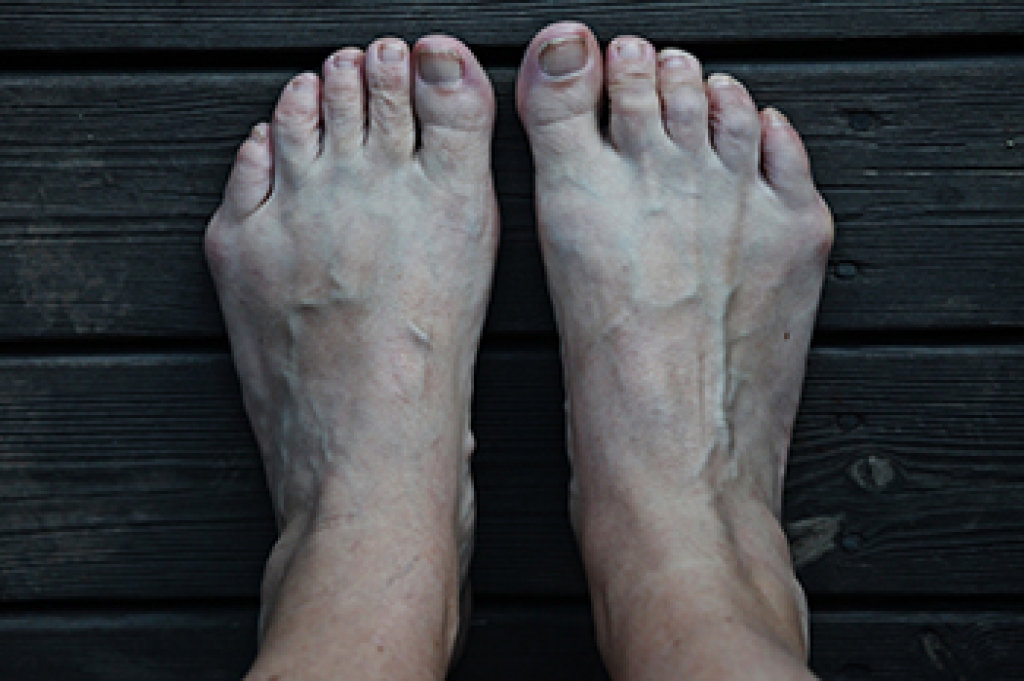
A bunionette, also called a tailor’s bunion, is a bony prominence that develops along the outer edge of the foot at the base of the little toe. It occurs when the fifth metatarsal bone shifts outward or the little toe angles inward, creating a noticeable bump. Symptoms include redness, swelling, and pain while wearing shoes. Some people experience tenderness while walking or standing for extended periods. Although a bunionette may develop slowly, friction and pressure make the area increasingly uncomfortable.

Bunionettes develop because of intrinsic and extrinsic factors. Intrinsic causes involve the structure of the foot itself, including inherited bone shape, abnormal alignment, and differences in how the foot bears weight. These structural features may increase pressure along the outside of the little toe. Extrinsic causes come from outside the body, particularly footwear that squeezes the toes or rubs against the bony prominence. Narrow shoes and high heels can worsen existing irritation by forcing the foot forward. People with a family history of bunionettes or foot alignment problems may be at greater risk.


The location of a bunionette makes it especially sensitive to shoe pressure. The outer forefoot often rubs against the shoe, leading to thickened skin or a painful corn. Symptoms may become more noticeable during exercise or after spending hours on your feet. Certain foot shapes increase the likelihood of developing this condition. Wearing poorly fitting footwear may accelerate discomfort. Choosing shoes with a wide toe box can reduce pressure and help protect the affected area.


A podiatrist examines your foot, assesses bone alignment, and uses X-rays when needed to determine the severity of the bunionette. Treatment options include wider shoes, protective padding, or medication to ease inflammation. Severe cases that do not improve with conservative care may require surgery. If you have a bunionette that is causing pain, it is suggested that you consult a podiatrist for an accurate diagnosis and appropriate treatment.

If you are suffering from bunions, contact one of our podiatrists of Foot and Ankle Center. Our doctors can provide the care you need to keep you pain-free and on your feet.

What Is a Bunion?

A bunion is formed of swollen tissue or an enlargement of boney growth, usually located at the base joint of the toe that connects to the foot. The swelling occurs due to the bones in the big toe shifting inward, which impacts the other toes of the foot. This causes the area around the base of the big toe to become inflamed and painful.

Why Do Bunions Form?

Genetics – Susceptibility to bunions are often hereditary

Stress on the feet – Poorly fitted and uncomfortable footwear that places stress on feet, such as heels, can worsen existing bunions

How Are Bunions Diagnosed?

Podiatrists often perform two tests – blood tests and x-rays – when trying to diagnose bunions, especially in the early stages of development. Blood tests help determine if the foot pain is being caused by something else, such as arthritis, while x-rays provide a clear picture of your bone structure to your provider.

How Are Bunions Treated?

  • Refrain from wearing heels or similar shoes that cause discomfort
  • Select wider shoes that can provide more comfort and reduce pain
  • Anti-inflammatory and pain management drugs
  • Orthotics or foot inserts
  • Surgery

If you have any questions, please feel free to contact our office located in Egg Harbor Township, NJ . We offer the newest diagnostic and treatment technologies for all your foot care needs.

Read more about Bunions

Let the Expert Treat Your Ingrown Toenails

Ingrown toenails can be painful and can make wearing shoes or walking uncomfortable. Seek professional help if you believe you've developed an ingrown toenail and be treated safely. 

Exercises That May Help Ease Arthritis

Arthritis in the feet and ankles can make movement painful, stiff, and tiring. However, carefully chosen exercises can help joints move more freely and support the muscles around them. Gentle range-of-motion exercises are a useful starting point. While seated, a patient can slowly point the toes forward, pull them back, and move each ankle in circles. These movements should remain controlled and within a comfortable range. Sharp pain is a reason to stop and seek guidance from a podiatrist before continuing.

Stretching can reduce tightness around joints affected by arthritis. One option is to loop a towel around the ball of the foot while sitting with the knee straight. Gently pulling the towel toward the body stretches the calf and tissues beneath the foot. A wall stretch can also loosen the calf. Strengthening exercises help the feet and ankles handle demands. Seated toe spreads, towel scrunches, and standing heel raises are examples. A stable counter or chair can provide support during heel raises. Patients should begin with a manageable number of repetitions and increase gradually. Exercise should not leave the joint more painful or swollen afterward.

Balance training is valuable because arthritis can change the way a person stands and walks. Holding a counter while standing on one foot can improve control and ankle stability. Low-impact activities like swimming, cycling, and walking can support joint movement without heavy pounding. The right plan depends on the joints involved, the level of pain, and a patient's health. A podiatrist can examine foot position, check joint movement, and identify areas under excess pressure. Care includes guidance on safe exercises, supportive shoes, or custom orthotics to improve how weight moves across the feet. A podiatrist can also adjust the plan when swelling or stiffness makes an exercise difficult. If you have symptoms of arthritis in the feet or ankles, it is suggested that you schedule an appointment with a podiatrist for a diagnosis and an effective exercise routine.

Arthritis can be a difficult condition to live with. If you are seeking treatment, contact one of our podiatrists from Foot and Ankle Center. Our doctors can provide the care you need to keep you pain-free and on your feet.

Arthritic Foot Care  

Arthritis is a term that is commonly used to describe joint pain.  The condition itself can occur to anyone of any age, race, or gender, and there are over 100 types of it.  Nevertheless, arthritis is more commonly found in women compared to men, and it is also more prevalent in those who are overweight. The causes of arthritis vary depending on which type of arthritis you have. Osteoarthritis for example, is often caused by injury, while rheumatoid arthritis is caused by a misdirected immune system.

Symptoms

  • Swelling
  • Pain
  • Stiffness
  • Decreased Range of Motion

Arthritic symptoms range in severity, and they may come and go. Some symptoms stay the same for several years but could potentially get worse with time. Severe cases of arthritis can prevent its sufferers from performing daily activities and make walking difficult.

Risk Factors

  • Occupation – Occupations requiring repetitive knee movements have been linked to osteoarthritis
  • Obesity – Excess weight can contribute to osteoarthritis development
  • Infection – Microbial agents can infect the joints and trigger arthritis
  • Joint Injuries – Damage to joints may lead to osteoarthritis
  • Age – Risk increases with age
  • Gender –Most types are more common in women
  • Genetics – Arthritis can be hereditary

If you suspect your arthritis is affecting your feet, it is crucial that you see a podiatrist immediately. Your doctor will be able to address your specific case and help you decide which treatment method is best for you.

If you have any questions please feel free to contact our office located in Egg Harbor Township, NJ . We offer the newest diagnostic tools and technology to treat your foot and ankle needs.

Read more about Arthritic Foot Care

Connect With Us