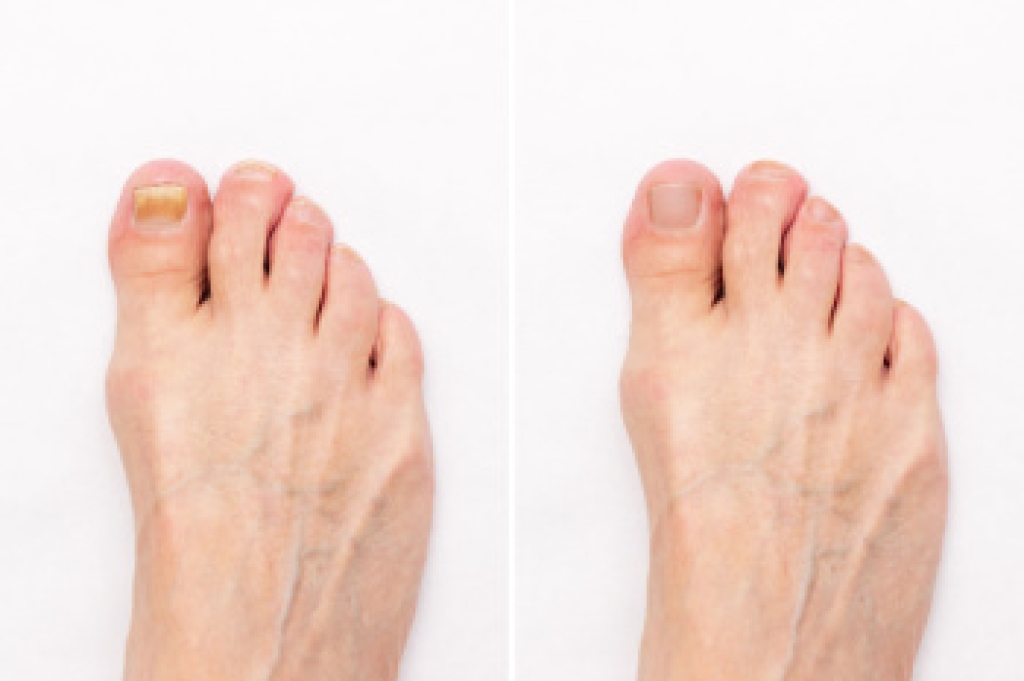
Fungal infections of the feet are caused by different types of fungi that affect the skin or toenails. One of the most common infections is athlete’s foot, which affects the skin between the toes, on the soles, or along the sides of the feet. This infection can spread in warm, damp places like locker rooms and public pools. Symptoms include itching, peeling skin, and cracking. Another common fungal infection affects the toenails. The nails can become thick, brittle, and discolored. Some people also notice debris collecting under the nail. Fungal infections can be stubborn and tend to worsen when they are not treated properly.
Different types of fungi are responsible for these infections. Dermatophytes are fungi that feed on keratin, a protein found in skin and nails. These fungi are the leading cause of athlete’s foot and many toenail infections. Molds are another type of fungus that can infect the toenails, especially when a nail has been damaged. Yeasts, including a type called Candida, can also cause infections of the skin and nails. Candida normally lives on the skin without causing problems. However, when it grows excessively, it can lead to redness, irritation, and nail changes.
A podiatrist can identify the type of fungal infection by examining the affected area and evaluating the symptoms. Treatment depends on the location and severity of the infection. Athlete’s foot is commonly treated with antifungal creams, sprays, or powders. More advanced infections sometimes require prescription medicine. Toenail fungus frequently requires oral medication because the infection develops beneath the nail surface. Early treatment can help prevent the infection from spreading to other nails or areas of the foot. If you have symptoms of a fungal infection in your feet, it is suggested that you make an appointment with a podiatrist for an exam and treatment options.
If left untreated, toenail fungus may spread to other toenails, skin, or even fingernails. If you suspect you have toenail fungus it is important to seek treatment right away. For more information about treatment, contact one of our podiatrists of Foot and Ankle Center. Our doctors can provide the care you need to keep you pain-free and on your feet.
Symptoms
- Warped or oddly shaped nails
- Yellowish nails
- Loose/separated nail
- Buildup of bits and pieces of nail fragments under the nail
- Brittle, broken, thickened nail
Treatment
If self-care strategies and over-the-counter medications does not help your fungus, your podiatrist may give you a prescription drug instead. Even if you find relief from your toenail fungus symptoms, you may experience a repeat infection in the future.
Prevention
In order to prevent getting toenail fungus in the future, you should always make sure to wash your feet with soap and water. After washing, it is important to dry your feet thoroughly especially in between the toes. When trimming your toenails, be sure to trim straight across instead of in a rounded shape. It is crucial not to cover up discolored nails with nail polish because that will prevent your nail from being able to “breathe”.
In some cases, surgical procedure may be needed to remove the toenail fungus. Consult with your podiatrist about the best treatment options for your case of toenail fungus.
If you have any questions please contact our office located in Egg Harbor Township, NJ . We offer the newest diagnostic and treatment technologies for all your foot and ankle needs.