How a Podiatrist Treats Athlete's Foot

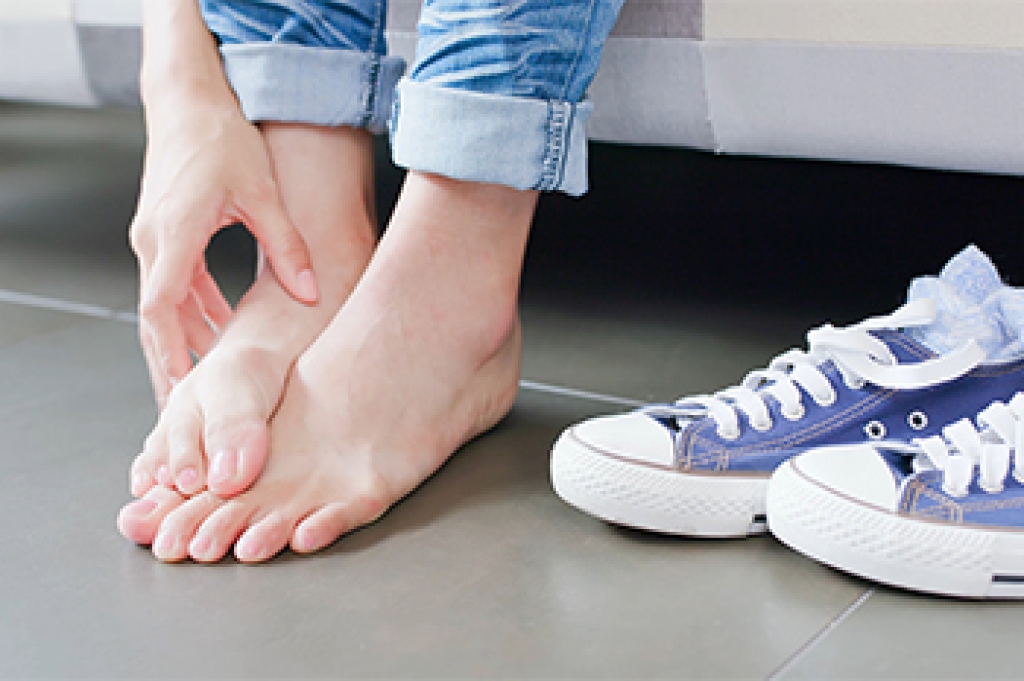
Athlete's foot is a fungal skin infection that affects the feet and can spread from one area to another when left untreated. Fungus is a tiny living organism that grows well in warm, damp places. The infection frequently begins between the toes, but it can also affect the soles, sides, or heels of the feet. Many people first notice itching, burning, or stinging that becomes more irritating while walking or wearing shoes. The skin can become red, flaky, or cracked, and painful splits in the skin can develop. Some patients also notice peeling or small blisters that make standing and walking uncomfortable. Because several skin conditions look similar, a podiatrist can determine whether athlete's foot is the true cause of the problem.

Athlete's foot spreads through direct contact with the fungus or by touching contaminated surfaces. Places like locker rooms, swimming pool decks, and public showers create conditions where the fungus can survive. The infection is also more likely to develop when people spend long periods wearing shoes that keep the feet warm and moist. Shoes that lack proper support can increase friction on the feet, which can add to discomfort when the skin is already irritated. A podiatrist performs a careful examination of the affected skin and reviews symptoms to confirm the diagnosis. In some cases, a small sample of skin is examined to identify the fungus and rule out other skin conditions.

Treatment focuses on eliminating the fungal infection and preventing it from spreading. A podiatrist can prescribe antifungal medications that target the fungus and reduce symptoms. Patients with severe infections or repeated infections sometimes require stronger prescription medication. A podiatrist also checks for skin cracks or other problems that increase the chance of complications. Prompt care can help protect healthy skin and reduce the risk of the infection spreading to the toenails or other areas of the foot. If you have symptoms of athlete's foot, it is suggested that you make an appointment with a podiatrist for diagnosis and treatment.

Athlete’s foot is an inconvenient condition that can be easily reduced with the proper treatment. If you have any concerns about your feet and ankles, contact one of our podiatrists from Foot and Ankle Center.  Our doctors will treat your foot and ankle needs.

Athlete’s Foot: The Sole Story

Athlete's foot, also known as tinea pedis, can be an extremely contagious foot infection. It is commonly contracted in public changing areas and bathrooms, dormitory style living quarters, around locker rooms and public swimming pools, or anywhere your feet often come into contact with other people.

Solutions to Combat Athlete’s Foot

  • Hydrate your feet by using lotion
  • Exfoliate
  • Buff off nails
  • Use of anti-fungal products
  • Examine your feet and visit your doctor if any suspicious blisters or cuts develop

Athlete’s foot can cause many irritating symptoms such as dry and flaking skin, itching, and redness. Some more severe symptoms can include bleeding and cracked skin, intense itching and burning, and even pain when walking. In the worst cases, Athlete’s foot can cause blistering as well. Speak to your podiatrist for a better understanding of the different causes of Athlete’s foot, as well as help in determining which treatment options are best for you.

If you have any questions please feel free to contact our office located in Egg Harbor Township, NJ . We offer the newest diagnostic and treatment technologies for all your foot and ankle needs.

Read more about Athlete’s Foot

Recognizing Signs of Foot and Ankle Trauma

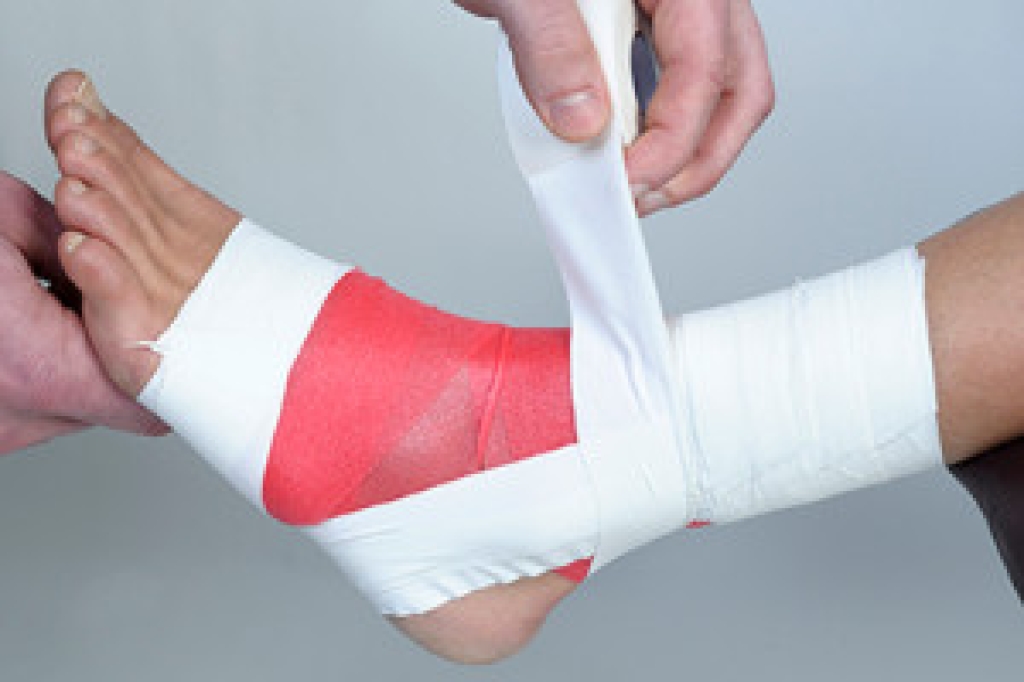
Foot and ankle trauma refers to injuries that occur when the structures of the foot or ankle are damaged by a sudden force or impact. These injuries can result from falls, sports activities, motor vehicle accidents, or other traumatic events. Because the feet and ankles support body weight and play a critical role in movement, even a seemingly minor injury can affect mobility and daily function. Common symptoms of foot and ankle trauma include pain, swelling, bruising, and difficulty walking. Depending on the severity of the injury, trauma may involve bones, joints, or other soft tissues. Prompt evaluation is important to determine the extent of the injury and reduce the risk of long-term complications.


Foot and ankle trauma can range from mild sprains to more serious injuries, such as fractures or joint damage. In some cases, symptoms appear immediately after the injury, while others may develop over several hours. Pain and swelling can make it difficult to bear weight on the affected foot or ankle, limiting normal activities and independence. If injuries are not properly evaluated, they may lead to ongoing discomfort, instability, or changes in walking patterns. Altered movement can place additional stress on nearby joints and tissues, potentially increasing the risk of future problems. Understanding the nature of the injury is an important step in supporting proper recovery and restoring normal function.


Podiatric care plays an important role in the diagnosis and management of foot and ankle trauma. A podiatrist can perform a thorough evaluation to identify the structures involved and determine the most appropriate treatment approach. Professional care may help address pain, improve mobility, and support the healing process. Podiatrists are trained to manage a wide range of foot and ankle injuries and can help patients regain function while reducing the risk of complications. Early intervention is often beneficial for achieving the best possible outcome. If you are experiencing foot or ankle trauma, it is suggested that you consult a podiatrist for an evaluation and appropriate treatment options

Foot and ankle trauma is common among athletes and the elderly. If you have concerns that you may have experienced trauma to the foot and ankle, consult with one of our podiatrists from Foot and Ankle Center. Our doctors will assess your condition and provide you with quality foot and ankle treatment.

Foot and ankle trauma cover a range of injuries all over the foot; common injuries include:

  • Broken bones
  • Muscle strains
  • Injuries to the tendons and ligaments
  • Stress fractures

Symptoms

Symptoms of foot and ankle injuries vary depending on the injury, but more common ones include:

  • Bruising
  • Inflammation/ Swelling
  • Pain

Diagnosis

To properly diagnose the exact type of injury, podiatrists will conduct a number of different tests. Some of these include sensation and visual tests, X-rays, and MRIs. Medical and family histories will also be taken into account.

Treatment

Once the injury has been diagnosed, the podiatrist can than offer the best treatment options for you. In less severe cases, rest and keeping pressure off the foot may be all that’s necessary. Orthotics, such as a specially made shoes, or immobilization devices, like splints or casts, may be deemed necessary. Finally, if the injury is severe enough, surgery may be necessary.

If you have any questions, please feel free to contact our office located in Egg Harbor Township, NJ . We offer the newest diagnostic and treatment technologies for all your foot care needs.

Read more about Foot and Ankle Trauma

Reminder: When Was the Last Time...?

Custom orthotics, or shoe inserts, should be periodically replaced. Orthotics must fit properly to give you the best results. Protect your feet and ankles!

Juvenile Bunions and Early Signs to Watch

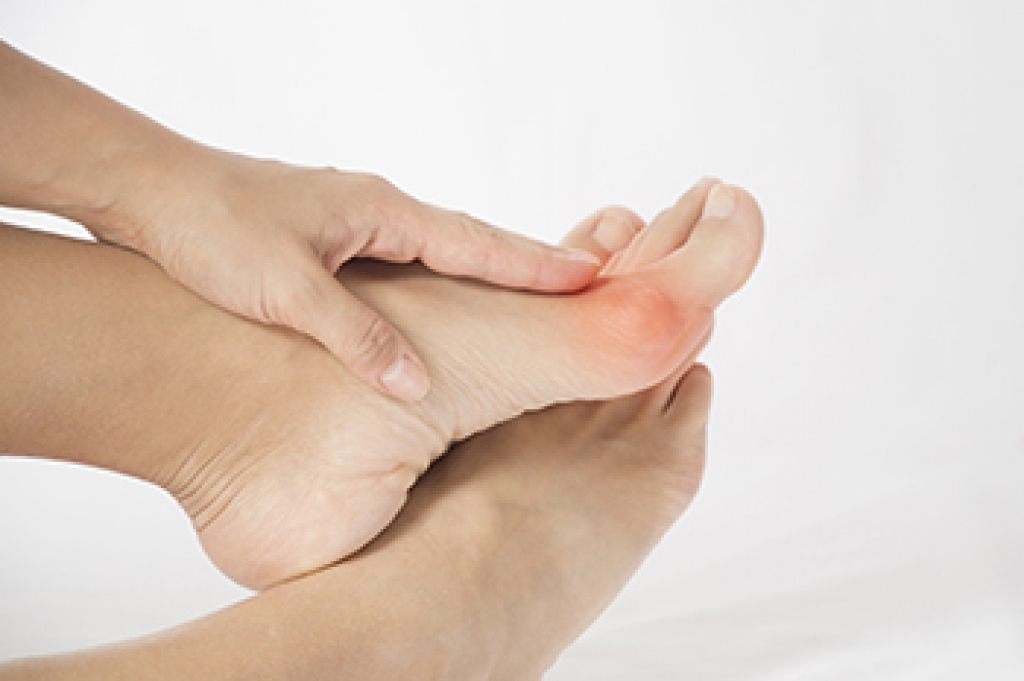
Bunions in children are a foot condition in which the big toe shifts inward toward the second toe, creating a visible bump along the base of the joint. While bunions are more often associated with adults, this condition can appear as early as 10 years old. In younger patients, the deformity is typically more flexible, but may progress if not properly monitored. Early recognition is important because developing bones and joints are more responsive to intervention, which can help slow or manage progression.

Symptoms of juvenile bunions include a noticeable bump on the side of the foot, redness, swelling, and discomfort when wearing shoes. Some children may report pain during physical activity or after long periods of standing. In certain cases, the big toe may overlap or crowd the neighboring toes, affecting alignment and balance. Parents may also observe changes in gait or complaints of pressure in the forefoot. Although some children experience minimal discomfort, the visual deformity and gradual progression can still impact long-term foot health.


Risk factors for juvenile bunions often include genetics, particularly when the condition is inherited through the maternal side of the family. Structural factors like flat feet, ligament laxity, and abnormal foot mechanics can also contribute to bunion development. Footwear choices that place pressure on the toes may worsen symptoms, although they are not always the primary cause in children. Rapid growth phases can further influence how the foot structure changes, making monitoring during development especially important.


It is important to understand that juvenile bunions require attention even when symptoms are mild, as early management can help prevent worsening deformity. Wearing supportive footwear, activity modifications, and proper evaluation can make a significant difference in comfort and function. If your child has a bunion or shows signs of toe misalignment, it is suggested that you consult a podiatrist for an accurate diagnosis and appropriate treatment.

The health of a child’s feet is vital to their overall well-being. If you have any questions regarding foot health, contact one of our podiatrists of Foot and Ankle Center. Our doctors can provide the care you need to keep you pain-free and on your feet.

Tips for Keeping Children's Feet Healthy

  • Make sure their shoes fit properly
  • Look for any signs of in-toeing or out-toeing
  • Check to see if they have Clubfoot (condition that affects your child’s foot and ankle, twisting the heel and toes inward) which is one of the most common nonmajor birth defects.
  • Lightly cover your baby’s feet (Tight covers may keep your baby from moving their feet freely, and could prevent normal development)
  • Allow your toddler to go shoeless (Shoes can be restricting for a young child’s foot)
  • Cut toenails straight across to avoid ingrown toenails
  • Keep your child’s foot clean and dry
  • Cover cuts and scrapes. Wash any scratches with soap and water and cover them with a bandage until they’ve healed.

If you have any questions, please feel free to contact our office located in Egg Harbor Township, NJ . We offer the newest diagnostic and treatment technologies for all your foot care needs.

Read more about How to Care for Your Child's Feet

Connect With Us