Understanding Joint Pain and Foot Surgery

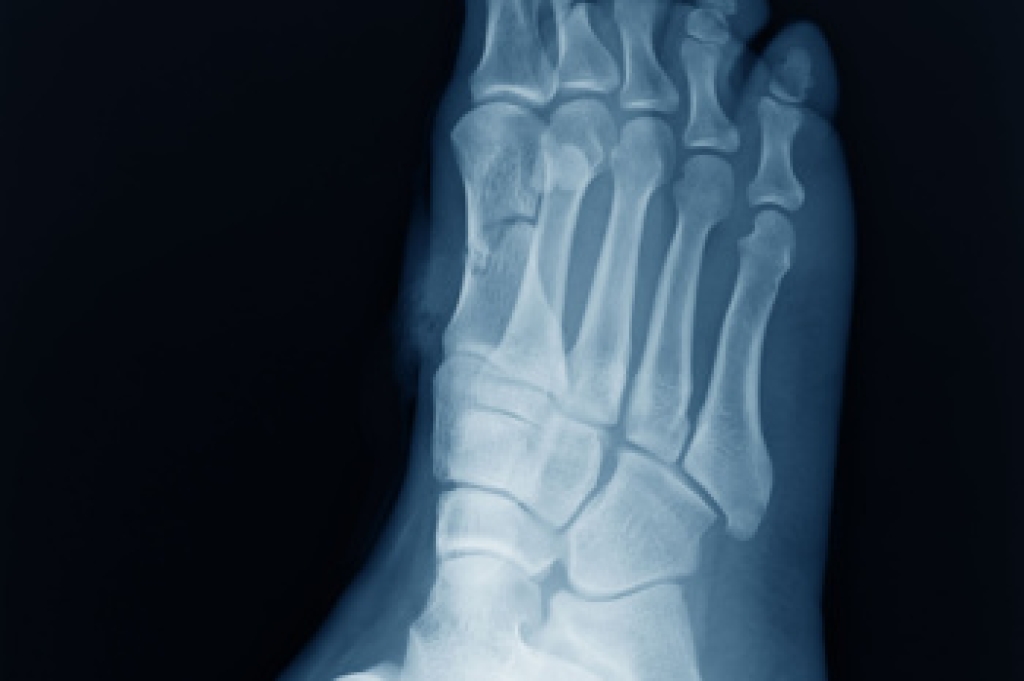
Joint pain in the foot or ankle can make movement difficult. Pain can develop when a joint becomes damaged from arthritis, an injury, a fracture, or another condition. Arthritis can wear down the tissue that helps bones move together. As this damage progresses, pain and stiffness can make it harder to walk, stand, or stay active. A podiatrist can examine the painful area, review your symptoms, and use imaging tests to determine what is affecting the joint. The goal is to identify the cause of pain and determine which treatment is appropriate.

When joint damage is severe, surgery may be considered. Joint replacement surgery removes damaged portions of a joint and replaces them with an artificial joint designed to restore movement. Joint replacement can improve pain, mobility, and quality of life. It also found that patient satisfaction can be affected by factors like pain control, mobility, and the cost of care. Because surgery is a major decision, a podiatrist can explain whether surgery is appropriate for a foot or ankle joint problem, and discuss what the procedure and recovery could involve. Your podiatrist can also monitor your condition and help coordinate the next steps when surgery is being considered.

Recovery after joint surgery is an important part of treatment. Early movement after surgery can help reduce complications and support a return to walking. Your podiatrist can provide follow-up care, monitor healing, and assess pain and movement. This foot doctor can any address concerns during recovery. Every patient has different needs, so the expected results and recovery process can vary. A careful evaluation can help you understand your options before deciding whether surgery is the right choice. If you have joint pain, it is suggested that you schedule an appointment with a podiatrist who can discuss the benefits of this type of foot surgery with you.

In certain cases, in which the patient suffers from extreme pain or damage in a joint, joint replacement surgery may be deemed useful. If you have constant pain in a foot joint, consult with one of our podiatrists from Foot and Ankle Center. Our doctors will assess your condition and provide you with quality foot and ankle treatment.

What Is Joint Replacement Surgery?

Over time, joints wear down; this can be exacerbated by diseases and conditions. Joint replacement surgery, also known as arthroplasty, is when a damaged joint is surgically removed and replaced with a prosthesis. Prostheses, which can be made of ceramic, plastic, or metal, act as joints in lieu of an actual joint. One of the most prevalent causes for joint replacement is arthritis.

Arthritis in the Foot

Arthritis can occur in any joint in the body, including in the feet. Common types of arthritis in the foot are osteoarthritis, rheumatoid arthritis, and gout. The big toe is usually where arthritis occurs in the foot; this is known as hallux rigidus.

Joint Replacement Surgery in the Foot

The most common form of joint replacement in the foot is a first metatarsophalangeal (MTP) joint placement. MTP joint replacement surgery is designed to treat hallux rigidus. Surgery is not intensive, and recovery occurs within one to two months after the procedure has been done. Overall, joint replacement surgery is a safe and effective way to treat pain in the joint of the foot.

If you have any questions, please feel free to contact our office located in Egg Harbor Township, NJ . We offer the newest diagnostic and treatment technologies for all your foot care needs.
Read more about Joint Replacement Surgery

When Foot Swelling Requires Podiatry Treatment

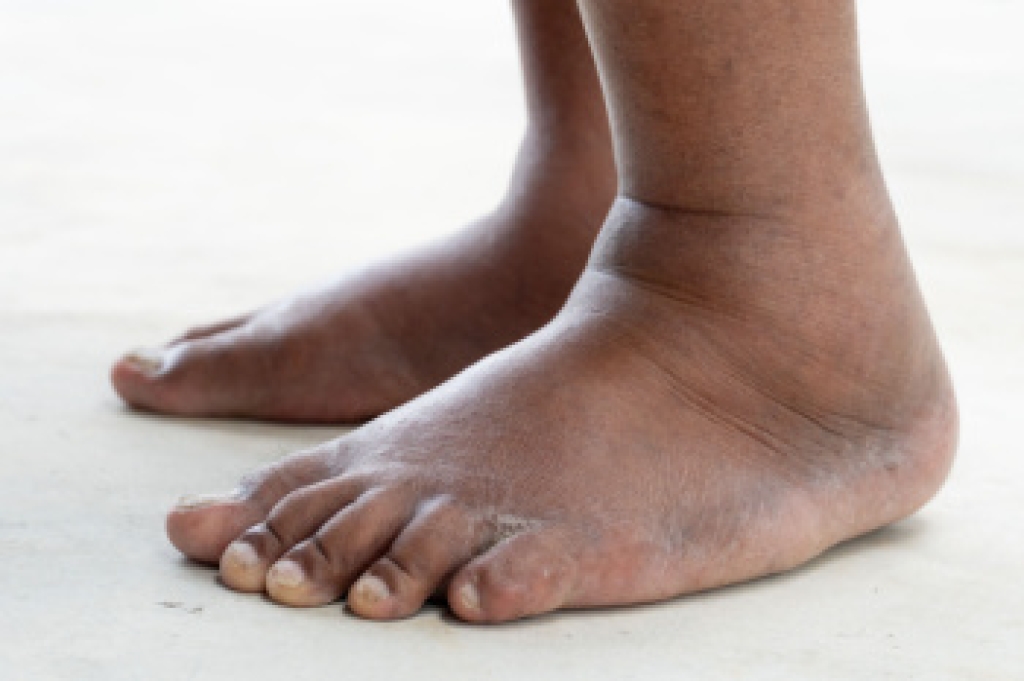
Swelling of the feet is a common problem that can make standing, walking, and wearing shoes uncomfortable. It occurs when extra fluid builds up in the tissues of the feet, causing them to appear larger than normal. Foot swelling may develop after an injury or prolonged standing. It can also be linked to certain medical conditions that affect circulation or joint health. Many people notice tightness, aching, or tenderness along with the swelling. Others may have stiffness that limits normal movement or makes daily activities more difficult. Because swollen feet can have many causes, a professional evaluation is important to determine the source of the problem and the most appropriate treatment.


In some cases, swelling affects one foot, while other conditions cause both feet to become swollen. Persistent swelling may place added stress on the joints and soft tissues, making it more difficult to maintain normal mobility. Pain, skin changes, or difficulty bearing weight may indicate a more serious underlying condition that requires medical attention. A thorough podiatry evaluation helps identify whether the swelling is related to an injury, inflammation, or another foot problem. If needed, additional testing may be recommended to better understand the cause. Early diagnosis can help prevent complications and support better long-term foot health.


A podiatrist specializes in evaluating swollen feet and identifying conditions that affect foot structure and function. During an examination, the podiatrist assesses your symptoms, foot mechanics, and overall mobility to develop a personalized treatment plan. Professional care focuses on reducing discomfort, improving movement, and addressing the underlying cause of the swelling. Early podiatry care may also help prevent worsening symptoms and reduce the risk of long-term complications. If swelling of the feet is causing pain, limiting your mobility, or becoming more frequent, it is suggested that you consult a podiatrist for an evaluation and appropriate treatment options.

Swollen feet can be a sign of an underlying condition. If you have any concerns, contact one of our podiatrists of Foot and Ankle Center. Our doctors can provide the care you need to keep you pain-free and on your feet.

Swollen feet are a common ailment among pregnant women and people who stand or sit for extended periods. Aging may increase the possibility of swollen feet and patients who are obese often notice when their feet are swelling too. There may be medical reasons why swollen feet occur:

  • Phlebitis - A condition that causes the veins to become inflamed and can also cause leg pain.
  • Liver disease - This may lead to low blood levels of albumin which is a protein. This can cause fluid in the blood to pass into the tissues and several areas of the body can become swollen.
  • Heart failure - When the heart doesn’t pump properly the blood that is normally pumped back to the heart can pool in the veins of the legs causing swollen feet.
  • Kidney disease - One of the main functions of the kidneys is releasing excess fluid in the body. This type of condition can make it difficult for the kidneys to function properly, and as a result the feet may become swollen.
  • Deep-vein thrombosis (DVT)- This is a serious condition where blood clots form in the veins of the legs. They can block the return of blood from the legs to the heart which may cause the feet to swell. It is important to be treated by a podiatrist if this condition is present.

Swollen feet can also be caused by bone and tendon conditions, including fractures, arthritis, and tendinitis. Additionally, there may be skin and toenail conditions and an infection may cause the feet to swell. Patients who take medicine to treat high blood pressure may be prone to getting swollen feet. 

Many patients elevate their feet to help relieve the swelling and this is generally a temporary remedy. When a podiatrist is consulted the reason behind the swelling can be uncovered and subsequently treated.

If you have any questions please contact our office located in Egg Harbor Township, NJ . We offer the newest diagnostic and treatment technologies for all your foot and ankle needs.

Read more about Swelling of the Feet

Keep Your Feet Healthy So You Can Stay Active

Have your feet inspected by a professional before starting a new sport or physical activity. Taking charge of your foot health will keep you in good physical condition and can help you avoid a potential injury, such as a fracture or sprained ankle.

Prevent injuries and see a foot specialist.

Understanding the Cause of Cuboid Syndrome

Cuboid syndrome affects one of the small bones on the outer side of the foot called the cuboid. This bone helps support normal foot movement and works with nearby joints while walking. Cuboid syndrome develops when the cuboid bone shifts slightly out of its normal position or the surrounding tissues become irritated. This problem can happen after an ankle sprain or repeated stress from sports and other physical activities. Wearing shoes that lack proper support also can increase stress on the foot. Pain usually develops along the outer side of the foot and becomes worse while walking or standing. Some patients notice weakness, tenderness, or difficulty pushing off the foot. The pain can resemble other foot conditions, making a professional evaluation important.

A podiatrist performs a detailed examination to determine whether cuboid syndrome is causing the pain. The evaluation includes checking the location of the discomfort, the movement of the foot, and the stability of the surrounding joints. The podiatrist also watches how the patient stands and walks because changes in movement can place extra stress on the cuboid bone. Imaging tests, like X-rays or MRI scans, help rule out fractures and other conditions that cause similar symptoms. Although these tests do not always confirm cuboid syndrome, they provide valuable information when making a diagnosis. Identifying the correct source of pain allows the podiatrist to recommend the most effective treatment.

Treatment focuses on restoring normal foot function and reducing stress on the injured area. A podiatrist can gently reposition the cuboid bone when it has shifted from its normal alignment. Care also includes custom orthotics that improve foot support and reduce pressure on the outer side of the foot. Stretching and strengthening exercises help improve stability and lower the chance of repeated problems. Patients with ongoing pain are evaluated for other foot conditions that could require additional treatment. If you have symptoms of cuboid syndrome, it is suggested that you schedule an appointment with a podiatrist for a diagnosis and appropriate treatment.

Cuboid syndrome, also known as cuboid subluxation, occurs when the joints and ligaments near the cuboid bone in the foot become torn. If you have cuboid syndrome, consult with one of our podiatrists from Foot and Ankle Center. Our doctors will assess your condition and provide you with quality foot and ankle treatment.

Cuboid syndrome is a common cause of lateral foot pain, which is pain on the outside of the foot. The condition may happen suddenly due to an ankle sprain, or it may develop slowly overtime from repetitive tension through the bone and surrounding structures.

Causes

The most common causes of cuboid syndrome include:

  • Injury – The most common cause of this ailment is an ankle sprain.
  • Repetitive Strain – Tension placed through the peroneus longus muscle from repetitive activities such as jumping and running may cause excessive traction on the bone causing it to sublux.
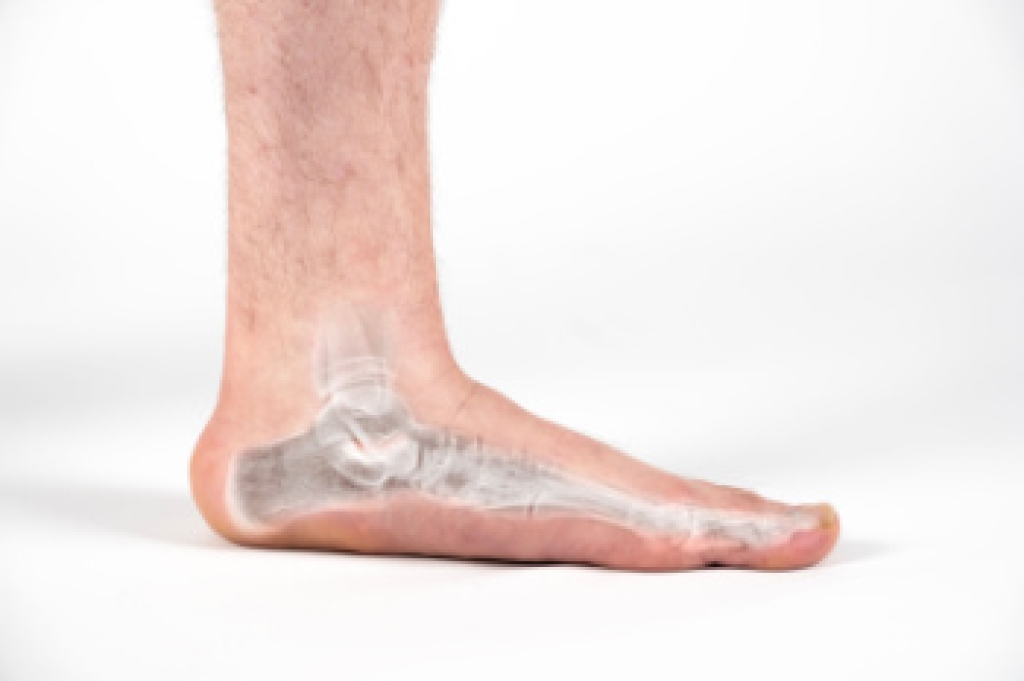
  • Altered Foot Biomechanics – Most people suffering from cuboid subluxation have flat feet.

Symptoms

A common symptom of cuboid syndrome is pain along the outside of the foot which can be felt in the ankle and toes. This pain may create walking difficulties and may cause those with the condition to walk with a limp.

Diagnosis

Diagnosis of cuboid syndrome is often difficult, and it is often misdiagnosed. X-rays, MRIs and CT scans often fail to properly show the cuboid subluxation. Although there isn’t a specific test used to diagnose cuboid syndrome, your podiatrist will usually check if pain is felt while pressing firmly on the cuboid bone of your foot.

Treatment

Just as the range of causes varies widely, so do treatments. Some more common treatments are ice therapy, rest, exercise, taping, and orthotics.

If you have any questions, please feel free to contact our office located in Egg Harbor Township, NJ . We offer the newest diagnostic and treatment technologies for all your foot care needs.

Read more about Cuboid Syndrome

Connect With Us