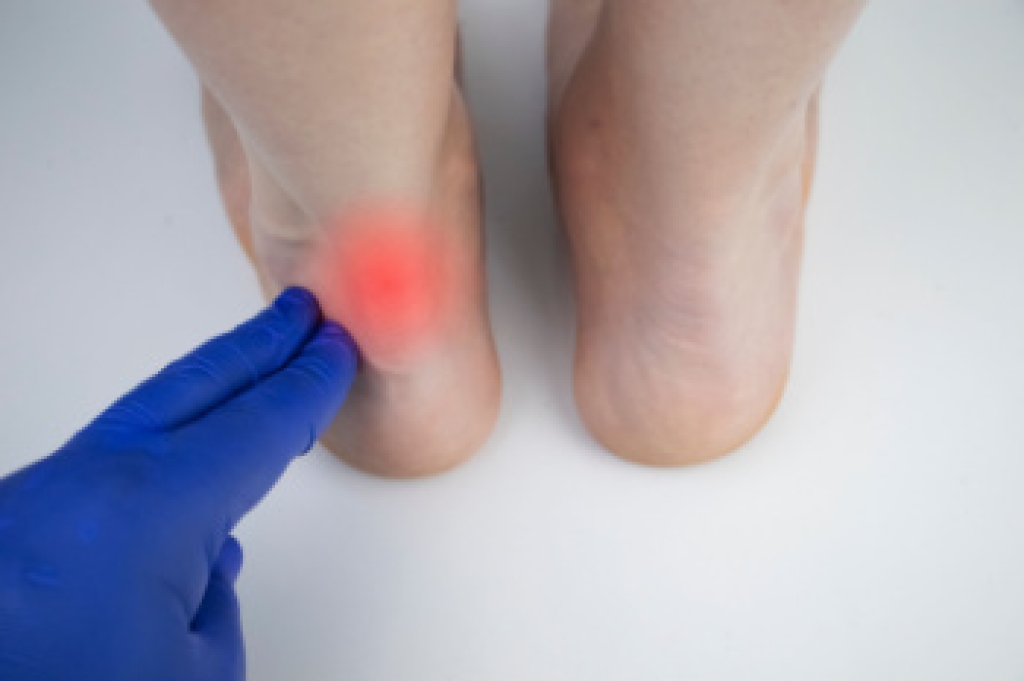
An ingrown toenail develops when the edge of a toenail grows into the surrounding skin. It most often affects the big toe and can cause pain, tenderness, and swelling. The skin beside the nail may look irritated or raised, while the nail edge can appear buried under the skin. In more advanced cases, drainage or infection may develop.
Several factors can contribute to ingrown toenails. Cutting nails too short or rounding the corners may encourage the nail to grow into the skin. Wearing tight shoes can also create pressure around the toes. Some people are more prone to ingrown toenails because of naturally curved nails, repeated toe injuries, or nail changes. Recognizing these risk factors can help reduce future problems. Proper nail trimming and comfortable footwear may lower pressure around the affected toe.
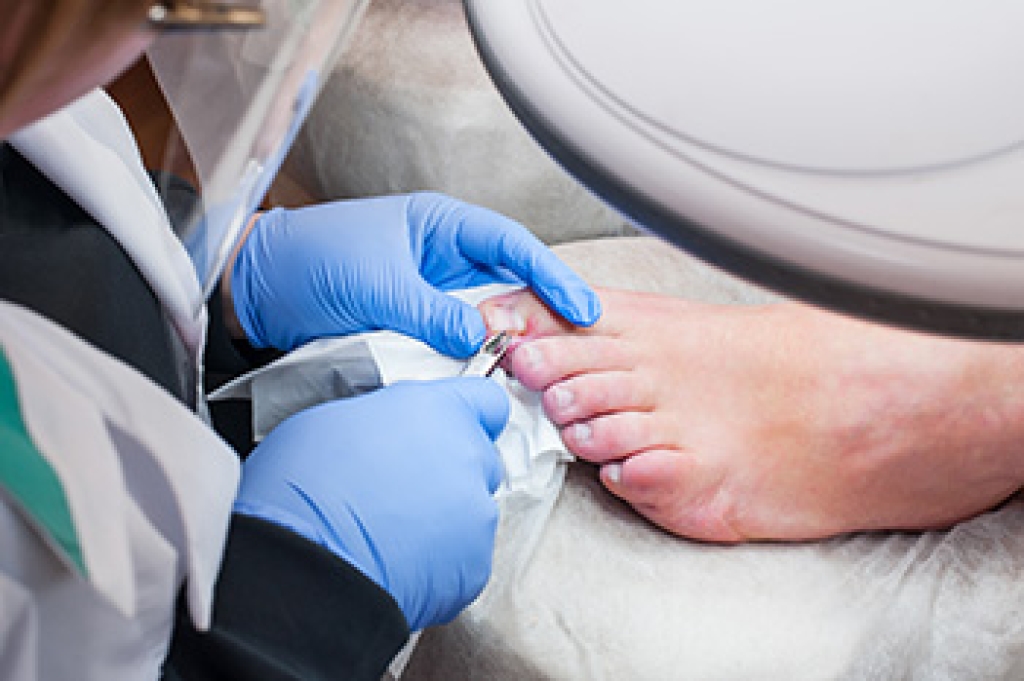
When an ingrown toenail keeps returning or causes significant pain, a podiatrist may recommend surgery. A partial nail avulsion removes the portion of the nail growing into the skin while leaving the remaining nail in place. A total nail avulsion removes the entire nail and may be considered for certain conditions. A podiatrist may also perform ablation of the nail matrix, which prevents the treated nail portion from growing back. The procedure selected depends on the nail and individual needs.
During treatment, a podiatrist evaluates the toe, checks for infection, and determines the appropriate procedure. Afterward, the toe is dressed and home-care instructions are provided to support healing. Patients may be advised to keep pressure away from the toe and attend follow-up visits. If you have painful ingrown toenails, it is suggested that you consult a podiatrist for an accurate diagnosis and appropriate treatment, which may include minor surgery.
Foot surgery is sometimes necessary to treat a foot ailment. To learn more, contact one of our podiatrists of Foot and Ankle Center. Our doctors will assist you with all of your foot and ankle needs.
When Is Surgery Necessary?
Foot and ankle surgery is generally reserved for cases in which less invasive, conservative procedures have failed to alleviate the problem. Some of the cases in which surgery may be necessary include:
- Removing foot deformities like bunions and bone spurs
- Severe arthritis that has caused bone issues
- Cosmetic reconstruction
What Types of Surgery Are There?
The type of surgery you receive will depend on the nature of the problem you have. Some of the possible surgeries include:
- Bunionectomy for painful bunions
- Surgical fusion for realignment of bones
- Neuropathy decompression surgery to treat nerve damage
Benefits of Surgery
Although surgery is usually a last resort, it can provide more complete pain relief compared to non-surgical methods and may allow you to finally resume full activity.
Surgical techniques have also become increasingly sophisticated. Techniques like endoscopic surgery allow for smaller incisions and faster recovery times.
If you have any questions, please feel free to contact our office located in Egg Harbor Township, NJ . We offer the newest diagnostic and treatment technologies for all your foot care needs.