
Ingrown toenails can be painful and can make wearing shoes or walking uncomfortable. Seek professional help if you believe you've developed an ingrown toenail and be treated safely.
Ingrown toenails can be painful and can make wearing shoes or walking uncomfortable. Seek professional help if you believe you've developed an ingrown toenail and be treated safely.

Arthritis in the feet and ankles can make movement painful, stiff, and tiring. However, carefully chosen exercises can help joints move more freely and support the muscles around them. Gentle range-of-motion exercises are a useful starting point. While seated, a patient can slowly point the toes forward, pull them back, and move each ankle in circles. These movements should remain controlled and within a comfortable range. Sharp pain is a reason to stop and seek guidance from a podiatrist before continuing.
Stretching can reduce tightness around joints affected by arthritis. One option is to loop a towel around the ball of the foot while sitting with the knee straight. Gently pulling the towel toward the body stretches the calf and tissues beneath the foot. A wall stretch can also loosen the calf. Strengthening exercises help the feet and ankles handle demands. Seated toe spreads, towel scrunches, and standing heel raises are examples. A stable counter or chair can provide support during heel raises. Patients should begin with a manageable number of repetitions and increase gradually. Exercise should not leave the joint more painful or swollen afterward.
Balance training is valuable because arthritis can change the way a person stands and walks. Holding a counter while standing on one foot can improve control and ankle stability. Low-impact activities like swimming, cycling, and walking can support joint movement without heavy pounding. The right plan depends on the joints involved, the level of pain, and a patient's health. A podiatrist can examine foot position, check joint movement, and identify areas under excess pressure. Care includes guidance on safe exercises, supportive shoes, or custom orthotics to improve how weight moves across the feet. A podiatrist can also adjust the plan when swelling or stiffness makes an exercise difficult. If you have symptoms of arthritis in the feet or ankles, it is suggested that you schedule an appointment with a podiatrist for a diagnosis and an effective exercise routine.
Arthritis can be a difficult condition to live with. If you are seeking treatment, contact one of our podiatrists from Foot and Ankle Center. Our doctors can provide the care you need to keep you pain-free and on your feet.
Arthritic Foot Care
Arthritis is a term that is commonly used to describe joint pain. The condition itself can occur to anyone of any age, race, or gender, and there are over 100 types of it. Nevertheless, arthritis is more commonly found in women compared to men, and it is also more prevalent in those who are overweight. The causes of arthritis vary depending on which type of arthritis you have. Osteoarthritis for example, is often caused by injury, while rheumatoid arthritis is caused by a misdirected immune system.
Symptoms
Arthritic symptoms range in severity, and they may come and go. Some symptoms stay the same for several years but could potentially get worse with time. Severe cases of arthritis can prevent its sufferers from performing daily activities and make walking difficult.
Risk Factors
If you suspect your arthritis is affecting your feet, it is crucial that you see a podiatrist immediately. Your doctor will be able to address your specific case and help you decide which treatment method is best for you.
If you have any questions please feel free to contact our office located in Egg Harbor Township, NJ . We offer the newest diagnostic tools and technology to treat your foot and ankle needs.

Foot cramps are sudden, painful muscle contractions that can make the toes, arch, or bottom of the foot tighten without warning. They may last for a few seconds or several minutes. Although occasional cramps are often harmless, frequent foot cramps can make walking and sleeping uncomfortable. Understanding possible causes helps you know when simple changes may help and when podiatric care is needed.
Dehydration is a common cause of muscle cramping. When your body does not have enough fluid, muscles may become more likely to tighten and spasm. Electrolyte imbalance can also contribute. Low levels of minerals such as potassium, calcium, or magnesium may affect normal muscle function. Pregnancy can increase the chance of foot cramps because the body experiences changes in circulation, weight, and mineral needs. Cramps may also occur after strenuous activity or prolonged standing.
Foot cramps can affect anyone, but some people are at a higher risk. Pregnant women, older adults, and people who do not drink enough fluids may experience them more often. Wearing poorly fitting shoes or spending long periods of time on your feet may also increase strain. During an examination, a podiatrist may review your symptoms, footwear, and medical history. They may examine your feet and check for muscle or structural problems. Treatment may include stretching, hydration guidance, or treatment for an underlying foot condition.
When a cramp starts, gently stretch the affected area and massage the muscle. Drinking water may help when dehydration is involved. Regular stretching and comfortable shoes can also support healthier foot function. If cramps become frequent, severe, or associated with swelling or numbness, a podiatric evaluation is important. A podiatrist can help determine why your feet are cramping and recommend appropriate treatment. If you have foot cramps, it is suggested that you consult a podiatrist for effective relief and treatment solutions.
Foot Pain
Foot pain can be extremely painful and debilitating. If you have a foot pain, consult with one of our podiatrists from Foot and Ankle Center. Our doctors will assess your condition and provide you with quality foot and ankle treatment.
Causes
Foot pain is a very broad condition that could be caused by one or more ailments. The most common include:
Diagnosis
To figure out the cause of foot pain, podiatrists utilize several different methods. This can range from simple visual inspections and sensation tests to X-rays and MRI scans. Prior medical history, family medical history, and any recent physical traumatic events will all be taken into consideration for a proper diagnosis.
Treatment
Treatment depends upon the cause of the foot pain. Whether it is resting, staying off the foot, or having surgery; podiatrists have a number of treatment options available for foot pain.
If you have any questions, please feel free to contact our office located in Egg Harbor Township, NJ . We offer the newest diagnostic and treatment technologies for all your foot care needs.

A foot wound is an opening, sore, or damaged area on the foot. Foot wounds can develop from pressure, friction, or poor circulation. Common types include diabetic foot ulcers, pressure sores, and infected wounds. Symptoms may include redness, swelling, or a wound that does not heal. People with diabetes, circulation problems, or repeated pressure may have a higher risk of serious wounds. Wearing poor footwear can also contribute to pressure and skin breakdown.
Treatment depends on the wound and the reason it developed. A podiatrist will examine the wound and assess circulation, sensation, and infection. Debridement may be performed to remove dead tissue, and this can help create a cleaner surface for healing. Pressure relief is also important. A podiatrist may recommend special footwear or padding, and regular dressing changes protect the area and support healing.
Regular wound care supports healing. A podiatrist may clean the wound and apply a dressing, and it may need to be changed regularly as directed. Antibiotics may be needed when a bacterial infection is present. Serious wounds may need additional care. Your podiatrist will monitor healing and adjust treatment. Keeping pressure off the wound can prevent further damage. Good blood sugar control can also support healing. Following care instructions can help protect the wound between visits.
Do not ignore a foot wound that becomes painful, swollen, or produces drainage. A wound that remains open or shows little improvement deserves attention. Early treatment can help reduce complications and support healing. A podiatrist can explain daily foot care and prevention. Check your feet regularly during daily activities and while wearing supportive shoes. If you have a foot wound, it is suggested that you consult a podiatrist for effective relief and appropriate treatment solutions.
Wound care is an important part in dealing with diabetes. If you have diabetes and a foot wound or would like more information about wound care for diabetics, consult with one of our podiatrists from Foot and Ankle Center. Our doctors will assess your condition and provide you with quality foot and ankle treatment.
What Is Wound Care?
Wound care is the practice of taking proper care of a wound. This can range from the smallest to the largest of wounds. While everyone can benefit from proper wound care, it is much more important for diabetics. Diabetics often suffer from poor blood circulation which causes wounds to heal much slower than they would in a non-diabetic.
What Is the Importance of Wound Care?
While it may not seem apparent with small ulcers on the foot, for diabetics, any size ulcer can become infected. Diabetics often also suffer from neuropathy, or nerve loss. This means they might not even feel when they have an ulcer on their foot. If the wound becomes severely infected, amputation may be necessary. Therefore, it is of the upmost importance to properly care for any and all foot wounds.
How to Care for Wounds
The best way to care for foot wounds is to prevent them. For diabetics, this means daily inspections of the feet for any signs of abnormalities or ulcers. It is also recommended to see a podiatrist several times a year for a foot inspection. If you do have an ulcer, run the wound under water to clear dirt from the wound; then apply antibiotic ointment to the wound and cover with a bandage. Bandages should be changed daily and keeping pressure off the wound is smart. It is advised to see a podiatrist, who can keep an eye on it.
If you have any questions please contact our office located in Egg Harbor Township, NJ . We offer the newest diagnostic and treatment technologies for all your foot and ankle needs.
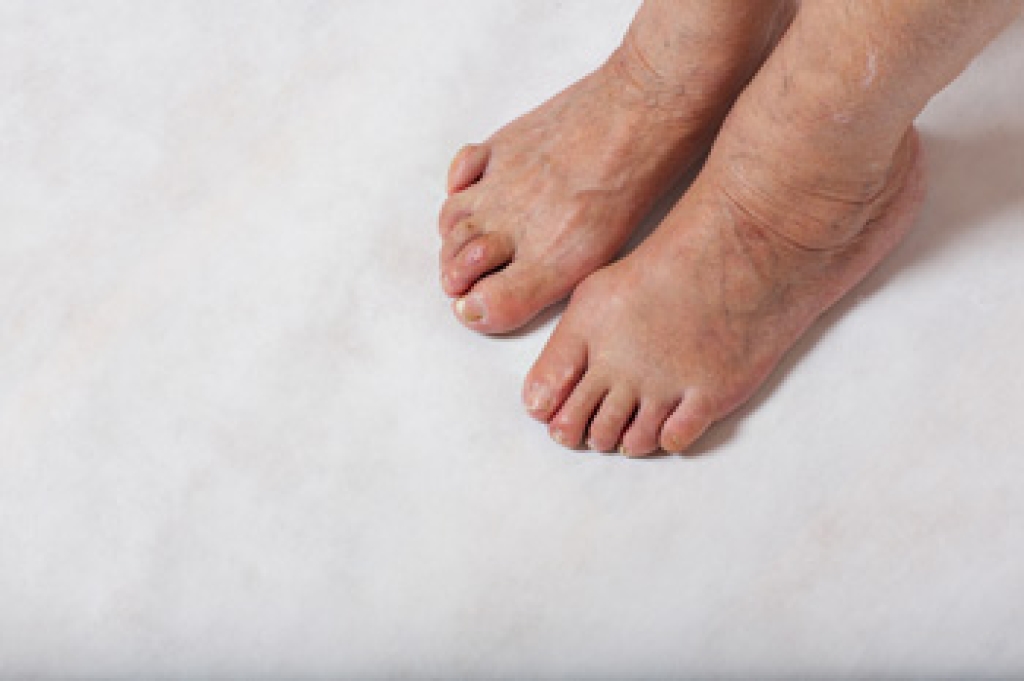
Hammertoe develops when one of the smaller toes bends abnormally at its middle joint instead of lying flat. The condition most frequently affects the second, third, or fourth toe. An imbalance in the muscles and tendons that control the toe can contribute to this bent position. Foot structure and certain types of shoes can also place added pressure on the toes. Symptoms include pain, stiffness, and difficulty moving the affected toe. Corns can develop where the bent toe rubs against the inside of a shoe. Calluses can also form where increased pressure occurs. At first, the toe may remain flexible, but it can become harder to straighten as the condition progresses. Hammertoe can make standing, walking, and wearing shoes uncomfortable.
A podiatrist evaluates hammertoe by examining the position and movement of the affected toe. An examination includes checking toe flexibility, areas of tenderness, and changes in the skin caused by pressure. The podiatrist also evaluates the overall structure of the foot and how pressure is distributed while standing or walking. Treatment focuses on reducing pressure and improving comfort. Custom orthotics help support the foot and improve pressure distribution. A podiatrist can also recommend shoes with enough room in the toe area to reduce rubbing against the bent toe. Targeted treatment also addresses corns or calluses that develop from repeated pressure.
Hammertoe can affect balance and change how the foot functions during everyday activities. Patients may shift their weight to avoid pressure on the painful toe, which can place added stress on other areas of the foot. A podiatrist can identify these changes and develop a treatment plan based on the severity and flexibility of the hammertoe. Care focuses on reducing painful pressure and supporting better foot function. Treatment may be adjusted according to the patient's symptoms and response to care. Early evaluation helps address discomfort before the toe becomes more rigid and difficult to move. If you have symptoms of hammertoe, it is suggested that you make an appointment with a podiatrist for diagnosis and treatment.
Hammertoes can be a painful condition to live with. For more information, contact one of our podiatrists of Foot and Ankle Center. Our doctors will answer any of your foot- and ankle-related questions.
Hammertoe
Hammertoe is a foot deformity that occurs due to an imbalance in the muscles, tendons, or ligaments that normally hold the toe straight. It can be caused by the type of shoes you wear, your foot structure, trauma, and certain disease processes.
Symptoms
Risk Factors
Treatment
If you have hammertoe, you should change into a more comfortable shoe that provides enough room for your toes. Exercises such as picking up marbles may strengthen and stretch your toe muscles. Nevertheless, it is important to seek assistance from a podiatrist in order to determine the severity of your hammertoe and see which treatment option will work best for you.
If you have any questions, please feel free to contact our office located in Egg Harbor Township, NJ . We offer the newest diagnostic and treatment technologies for all your foot care needs.
Connect With Us
