
Why Seeing a Podiatrist Matters When Foot Pain Starts

Foot pain is easy to ignore at first. Many people assume it will go away on its own or blame it on being on their feet too long. However, pain in the foot is often a sign that something is not working properly. Problems such as plantar fasciitis, tendon strain, arthritis, stress fractures, or nerve irritation can all begin with mild discomfort. Without treatment, these conditions may gradually worsen and begin to affect walking, balance, and daily activity. A podiatrist is a medical specialist trained to diagnose and treat conditions of the foot and ankle. They can identify the cause of pain through a physical exam, imaging, and a review of your activity and footwear. Early care often leads to simpler treatment and faster relief. If you are experiencing ongoing foot pain, swelling, or tenderness, it is suggested you schedule an appointment with a podiatrist who can provide a diagnosis and appropriate treatment needed to keep you active and comfortable.

Foot Pain

Foot pain can be extremely painful and debilitating. If you have a foot pain, consult with one of our podiatrists from Foot and Ankle Center. Our doctors will assess your condition and provide you with quality foot and ankle treatment.

Causes

Foot pain is a very broad condition that could be caused by one or more ailments. The most common include:

  • Bunions
  • Hammertoes
  • Plantar Fasciitis
  • Bone Spurs
  • Corns
  • Tarsal Tunnel Syndrome
  • Ingrown Toenails
  • Arthritis (such as Gout, Rheumatoid, and Osteoarthritis)
  • Flat Feet
  • Injury (from stress fractures, broken toe, foot, ankle, Achilles tendon ruptures, and sprains)
  • And more

Diagnosis

To figure out the cause of foot pain, podiatrists utilize several different methods. This can range from simple visual inspections and sensation tests to X-rays and MRI scans. Prior medical history, family medical history, and any recent physical traumatic events will all be taken into consideration for a proper diagnosis.

Treatment

Treatment depends upon the cause of the foot pain. Whether it is resting, staying off the foot, or having surgery; podiatrists have a number of treatment options available for foot pain.

If you have any questions, please feel free to contact our office located in Egg Harbor Township, NJ . We offer the newest diagnostic and treatment technologies for all your foot care needs.

Read more about Foot Pain

When an Ingrown Toenail Turns Into Infection

Infected ingrown toenails can turn a small nail problem into a painful swollen toe that makes walking uncomfortable. This condition develops when the edge of the toenail grows into the surrounding skin, causing bacteria to enter the irritated area. Redness, warmth, drainage, and throbbing pain are common warning signs. Wearing tight shoes, improper nail trimming, and naturally curved nails often increase the risk. Early care can prevent deeper infection. Avoid digging into the nail or cutting the corner too deeply, since this can worsen the infection. Supportive roomy shoes reduce pressure on the tender toe. When toe pain, swelling, or drainage continues, it is suggested that you see a podiatrist for a diagnosis and appropriate treatment.

Ingrown toenails may initially present themselves as a minor discomfort, but they may progress into an infection in the skin without proper treatment. For more information about ingrown toenails, contact one of our podiatrists of Foot and Ankle Center. Our doctors can provide the care you need to keep you pain-free and on your feet.

Ingrown Toenails

Ingrown toenails are caused when the corner or side of a toenail grows into the soft flesh surrounding it. They often result in redness, swelling, pain, and in some cases, infection. This condition typically affects the big toe and may recur if it is not treated properly.

Causes

  • Improper toenail trimming
  • Genetics
  • Improper shoe fitting
  • Injury from pedicures or nail picking
  • Abnormal gait
  • Poor hygiene

You are more likely to develop an ingrown toenail if you are obese, have diabetes, arthritis, or have any fungal infection in your nails. Additionally, people who have foot or toe deformities are at a higher risk of developing an ingrown toenail.

Symptoms

Some symptoms of ingrown toenails are redness, swelling, and pain. In rare cases, there may be a yellowish drainage coming from the nail.

Treatment

Ignoring an ingrown toenail can have serious complications. Infections of the nail border can progress to a deeper soft-tissue infection, which can then turn into a bone infection. You should always speak with your podiatrist if you suspect you have an ingrown toenail, especially if you have diabetes or poor circulation.

If you have any questions, please feel free to contact our office located in Egg Harbor Township, NJ . We offer the newest diagnostic and treatment technologies for all your foot care needs.

Read more about Ingrown Toenail Care

How The Foot and Ankle Work Together

The foot and ankle form a busy, flexible system that supports you with every step. The ankle acts like a hinge, allowing the foot to move up and down so walking feels smooth and natural. Beneath it, the foot is built from many small bones that fit together like a puzzle, creating strength while still allowing movement. The arch helps absorb shock each time your heel hits the ground, and the toes help push the body forward during the next step. Ligaments hold the bones in place, muscles guide movement, and tendons act like strong cables that lift and lower the foot. When everything works in harmony, the foot and ankle provide balance, stability, and protection during daily activities. If you notice pain, stiffness, or changes in how your foot or ankle moves, it is suggested that you see a podiatrist for a proper evaluation and guidance.

If you have any concerns about your feet, contact one of our podiatrists from Foot and Ankle Center. Our doctors can provide the care you need to keep you pain-free and on your feet.

Biomechanics in Podiatry

Podiatric biomechanics is a particular sector of specialty podiatry with licensed practitioners who are trained to diagnose and treat conditions affecting the foot, ankle and lower leg. Biomechanics deals with the forces that act against the body, causing an interference with the biological structures. It focuses on the movement of the ankle, the foot and the forces that interact with them.

A History of Biomechanics

  • Biomechanics dates back to the BC era in Egypt where evidence of professional foot care has been recorded.
  • In 1974, biomechanics gained a higher profile from the studies of Merton Root, who claimed that by changing or controlling the forces between the ankle and the foot, corrections or conditions could be implemented to gain strength and coordination in the area.

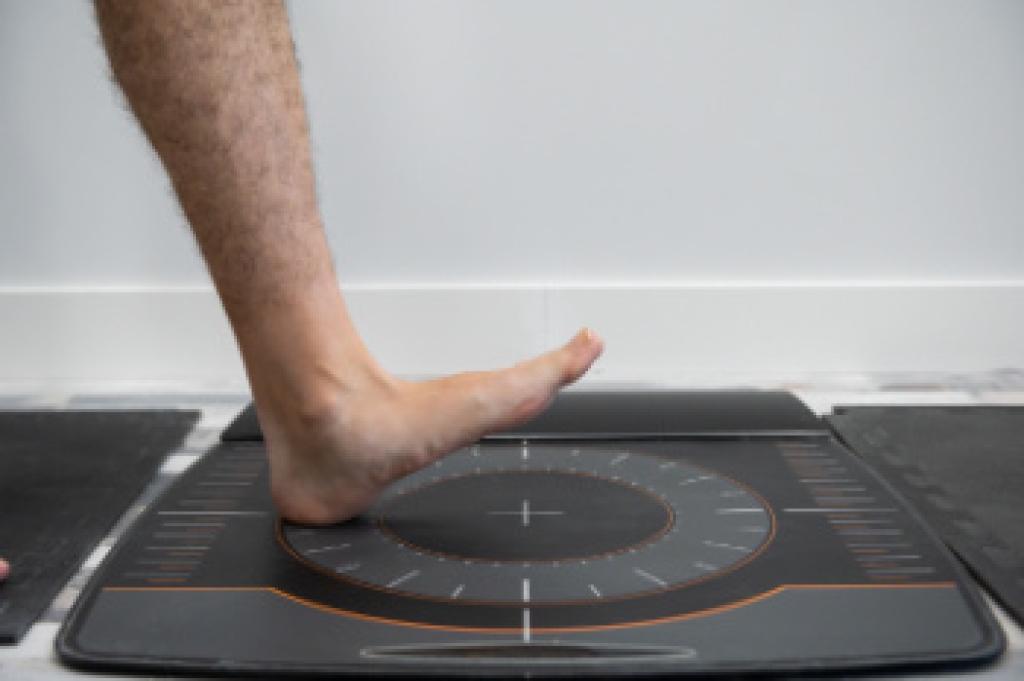
Modern technological improvements are based on past theories and therapeutic processes that provide a better understanding of podiatric concepts for biomechanics. Computers can provide accurate information about the forces and patterns of the feet and lower legs.

Understanding biomechanics of the feet can help improve and eliminate pain, stopping further stress to the foot.

If you have any questions please feel free to contact our office located in Egg Harbor Township, NJ . We offer the newest diagnostic and treatment technologies for all your foot and ankle needs.

Read more about The Importance of Biomechanics in Podiatry

Plantar Warts Can Be Treated!

Plantar warts are small growths that develop on parts of the feet that bear weight. They're typically found on the bottom of the foot. Don't live with plantar warts, and call us today!

Common Causes and Care for a Broken Pinky Toe

A broken pinky toe is a frequent injury because this small outer toe is especially vulnerable to being stubbed against furniture or crushed during daily activities. Its position on the edge of the foot leaves it less protected from direct impact. Common symptoms include sharp pain, swelling, bruising, tenderness, and difficulty bearing weight. In some mild cases, taping the injured toe to the adjacent toe may provide support, but proper evaluation is important to confirm alignment and rule out complications. Risk factors include participation in sports, walking barefoot, environmental problems, like poor lighting, and reduced bone strength. A podiatrist can diagnose the fracture, recommend appropriate treatment, and guide healing. If you have injured or broken your pinky toe, it is suggested that you consult a podiatrist who can effectively treat this condition.

A broken toe can be very painful and lead to complications if not properly fixed. If you have any concerns about your feet, contact one of our podiatrists from Foot and Ankle Center. Our doctors will treat your foot and ankle needs.

What to Know About a Broken Toe

Although most people try to avoid foot trauma such as banging, stubbing, or dropping heavy objects on their feet, the unfortunate fact is that it is a common occurrence. Given the fact that toes are positioned in front of the feet, they typically sustain the brunt of such trauma. When trauma occurs to a toe, the result can be a painful break (fracture).

Symptoms of a Broken Toe

  • Throbbing pain
  • Swelling
  • Bruising on the skin and toenail
  • The inability to move the toe
  • Toe appears crooked or disfigured
  • Tingling or numbness in the toe

Generally, it is best to stay off of the injured toe with the affected foot elevated.

Severe toe fractures may be treated with a splint, cast, and in some cases, minor surgery. Due to its position and the pressure it endures with daily activity, future complications can occur if the big toe is not properly treated.

If you have any questions, please feel free to contact our office located in Egg Harbor Township, NJ . We offer the newest diagnostic and treatment technologies for all your foot care needs.

Read more about What to Know About a Broken Toe

Connect With Us