Why Toe Skin Can Mimic an Ingrown Toenail

People may assume that any soreness along the edge of a toenail is caused by an ingrown nail, but overgrown skin around the nail can create similar discomfort. An ingrown toenail develops when the nail edge presses into the surrounding skin, often causing redness, swelling, tenderness, and sometimes drainage or infection. Overgrown toe skin, however, may form from pressure, friction, or irritation that causes thickened tissue to build beside the nail. While both conditions can look alike, treatment is often different. A podiatrist can examine the toe closely to determine whether the nail itself is the problem, or if excess skin is causing the pain. Treatment may include trimming the nail properly, removing irritated tissue, reducing inflammation, or correcting recurring nail growth issues. Proper diagnosis can prevent ongoing discomfort and infection. If you have persistent toe pain, it is suggested that you visit a podiatrist for an evaluation and appropriate care.

Ingrown toenails can become painful if they are not treated properly. For more information about ingrown toenails, contact one of our podiatrists of Foot and Ankle Center. Our doctors can provide the care you need to keep you pain-free and on your feet.

Ingrown Toenails

Ingrown toenails occur when a toenail grows sideways into the bed of the nail, causing pain, swelling, and possibly infection.

Causes

  • Bacterial infections
  • Improper nail cutting such as cutting it too short or not straight across
  • Trauma to the toe, such as stubbing, which causes the nail to grow back irregularly
  • Ill-fitting shoes that bunch the toes too close together
  • Genetic predisposition

Prevention

Wearing proper fitting shoes and using proper cutting techniques will also help decrease your risk of developing ingrown toenails.

Treatment

Ingrown toenails are a very treatable foot condition. In minor cases, soaking the affected area in salt or antibacterial soaps will not only help with the ingrown nail itself, but also help prevent any infections from occurring. In more severe cases, surgery is an option. In either case, speaking to your podiatrist about this condition will help you get a better understanding of specific treatment options that are right for you.

If you have any questions, please feel free to contact our office located in Egg Harbor Township, NJ . We offer the newest diagnostic and treatment technologies for all your foot care needs.

Read more about Ingrown Toenails

How High Heels Can Affect Your Feet

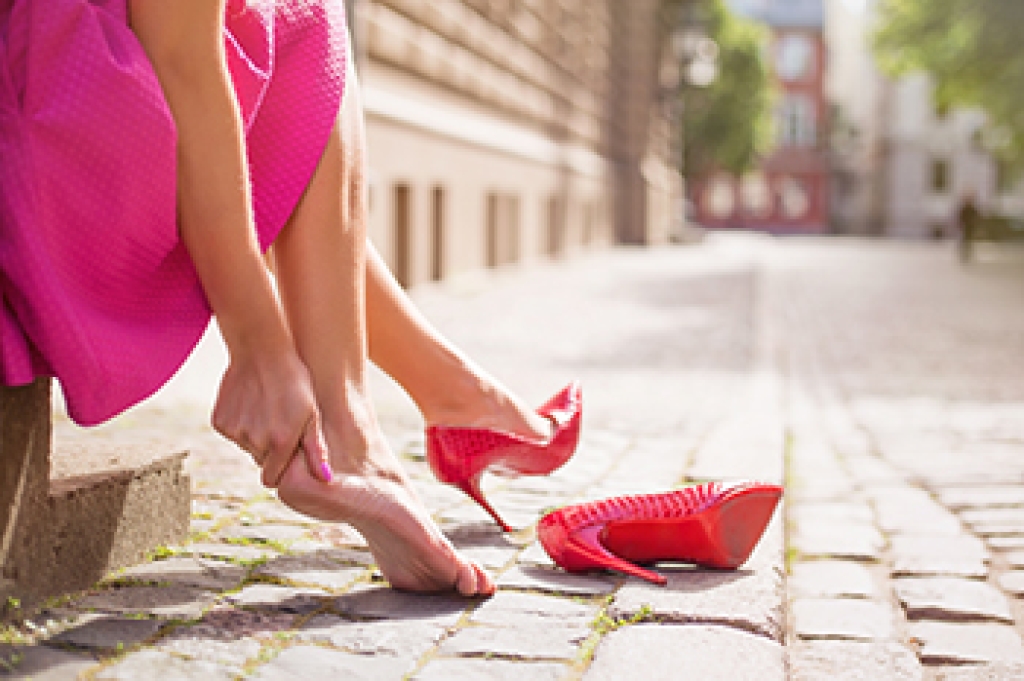
High heels can place excess pressure on the front of the foot and alter the natural alignment of the body. This shift in weight may lead to pain in the ball of the foot, toes, or heel, especially after long periods of wear. The foot may appear crowded in the toe box, and some people notice redness, swelling, or the development of calluses. Over time, wearing high heels can contribute to conditions such as bunions and hammertoes, or place strain on the Achilles tendon. High heels may also cause instability, increasing the risk of ankle sprains. Contributing factors include heel height, narrow shoe design, and frequent use without supportive features. A podiatrist can evaluate foot structure and gait to identify stress points and recommend appropriate care. Treatment may include shoe modifications, padding, and targeted exercises to improve strength and flexibility. If you have foot pain related to high heels, it is suggested that you schedule an appointment with a podiatrist for relief and prevention tips.

High heels have a history of causing foot and ankle problems. If you have any concerns about your feet or ankles, contact one of our podiatrists from Foot and Ankle Center. Our doctors can provide the care you need to keep you pain-free and on your feet.

Effects of High Heels on the Feet

High heels are popular shoes among women because of their many styles and societal appeal.  Despite this, high heels can still cause many health problems if worn too frequently.

Which Parts of My Body Will Be Affected by High Heels?

  • Ankle Joints
  • Achilles Tendon – May shorten and stiffen with prolonged wear
  • Balls of the Feet
  • Knees – Heels cause the knees to bend constantly, creating stress on them
  • Back – They decrease the spine’s ability to absorb shock, which may lead to back pain.  The vertebrae of the lower back may compress.

What Kinds of Foot Problems Can Develop from Wearing High Heels?

  • Corns
  • Calluses
  • Hammertoe
  • Bunions
  • Morton’s Neuroma
  • Plantar Fasciitis

How Can I Still Wear High Heels and Maintain Foot Health?

If you want to wear high heeled shoes, make sure that you are not wearing them every day, as this will help prevent long term physical problems.  Try wearing thicker heels as opposed to stilettos to distribute weight more evenly across the feet.  Always make sure you are wearing the proper shoes for the right occasion, such as sneakers for exercising.  If you walk to work, try carrying your heels with you and changing into them once you arrive at work.  Adding inserts to your heels can help cushion your feet and absorb shock. Full foot inserts or metatarsal pads are available. 

If you have any questions, please feel free to contact our office located in Egg Harbor Township, NJ . We offer the newest diagnostic and treatment technologies for all your foot care needs.

Read more about Effect of High Heels on the Feet

Loss of Balance Can Add to Risk of Falls

Balance issues often begin with problems in the feet and ankles, especially as people age. Good balance depends on being able to feel the ground and move with stability. Diabetes-related nerve damage, called neuropathy, can reduce feeling in the feet and affect the balance. Fallen arches, arthritis, joint stiffness, and painful foot deformities can also change the way a person walks and increase the risk of falling. Shoes that do not fit well or do not provide enough support can further affect balance and lead to slips or trips. A podiatrist can examine foot structure, check circulation and nerve function, and identify problems that affect balance and safe movement. Treatment includes custom orthotics, bracing, and guidance on supportive footwear. Improving foot stability can help retain balance and reduce the risk of falls. If you have injured your foot or ankle from falling, it is suggested that you schedule an appointment with a podiatrist for effective treatment solutions and prevention tips.

Preventing falls among the elderly is very important. If you are older and have fallen or fear that you are prone to falling, consult with one of our podiatrists from Foot and Ankle Center. Our doctors will assess your condition and provide you with quality advice and care.

Every 11 seconds, an elderly American is being treated in an emergency room for a fall related injury. Falls are the leading cause of head and hip injuries for those 65 and older. Due to decreases in strength, balance, senses, and lack of awareness, elderly persons are very susceptible to falling. Thankfully, there are a number of things older persons can do to prevent falls.

How to Prevent Falls

Some effective methods that older persons can do to prevent falls include:

  • Enrolling in strength and balance exercise program to increase balance and strength
  • Periodically having your sight and hearing checked
  • Discuss any medications you have with a doctor to see if it increases the risk of falling
  • Clearing the house of falling hazards and installing devices like grab bars and railings
  • Utilizing a walker or cane
  • Wearing shoes that provide good support and cushioning
  • Talking to family members about falling and increasing awareness

Falling can be a traumatic and embarrassing experience for elderly persons; this can make them less willing to leave the house, and less willing to talk to someone about their fears of falling. Doing such things, however, will increase the likelihood of tripping or losing one’s balance. Knowing the causes of falling and how to prevent them is the best way to mitigate the risk of serious injury.  

If you have any questions, please feel free to contact our office located in Egg Harbor Township, NJ . We offer the newest diagnostic and treatment technologies for all your foot care needs.
Read more about Falls Prevention

Gout Pain Can Be Managed

Gout is a painful, inflammatory form of arthritis. Those affected will typically feel an intense stiffness in the joints of their feet, particularly in the big toe. Schedule a visit to learn about how gout can be managed and treated.

Types and Symptoms of Bunions

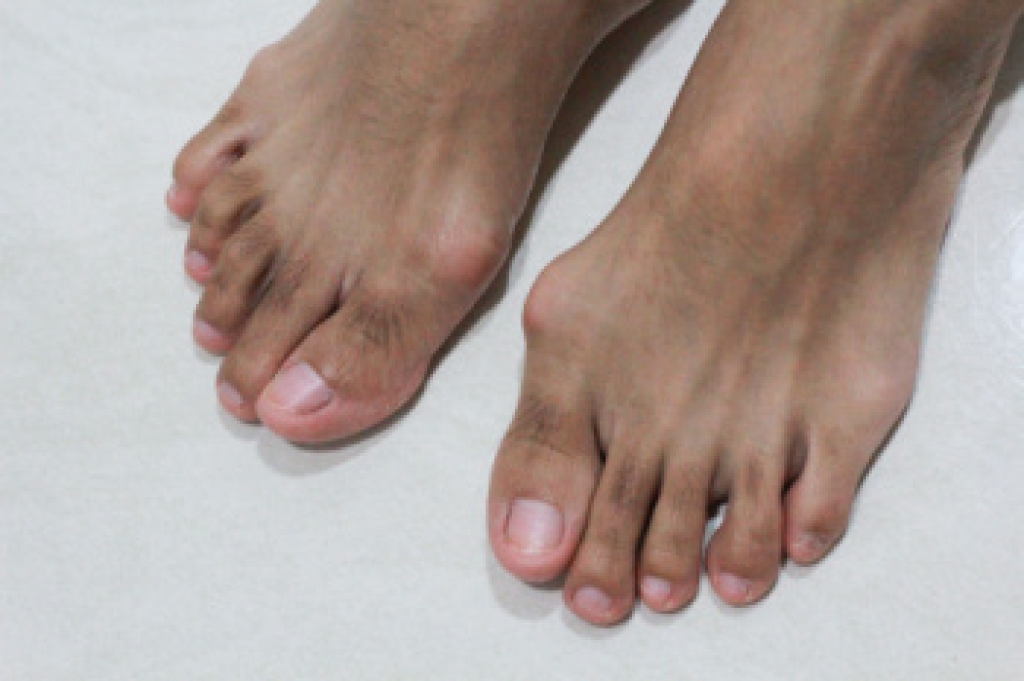
Bunions are a foot condition that develop when a toe joint becomes misaligned, creating a visible bump and pain. The most common type affects the big toe, when it shifts toward the second toe and forms a bump at the base of the joint. A bunionette, sometimes called a tailor’s bunion, forms on the outer side of the foot at the base of the little toe. Although smaller, a bunionette can still cause pain, redness, and swelling, especially when the bump rubs against shoes. Symptoms of both types  of bunions include a firm bump, skin irritation, stiffness, and difficulty moving the affected toe. Over time, the toes may drift further out of position, which can make walking uncomfortable. A podiatrist can evaluate the severity and provide appropriate treatment. Options include custom orthotics, bracing, and surgery to improve alignment and reduce pain. If you have foot problems related to bunions, it is suggested that you make an appointment with a podiatrist for help.

If you are suffering from bunion pain, contact one of our podiatrists of Foot and Ankle Center. Our doctors can provide the care you need to keep you pain-free and on your feet.

What Is a Bunion?

Bunions are painful bony bumps that usually develop on the inside of the foot at the joint of the big toe. As the deformity increases over time, it may become painful to walk and wear shoes. Women are more likely to exacerbate existing bunions since they often wear tight, narrow shoes that shift their toes together. Bunion pain can be relieved by wearing wider shoes with enough room for the toes.

Causes

  • Genetics – some people inherit feet that are more prone to bunion development
  • Inflammatory Conditions - rheumatoid arthritis and polio may cause bunion development

Symptoms

  • Redness and inflammation
  • Pain and tenderness
  • Callus or corns on the bump
  • Restricted motion in the big toe

In order to diagnose your bunion, your podiatrist may ask about your medical history, symptoms, and general health. Your doctor might also order an x-ray to take a closer look at your feet. Nonsurgical treatment options include orthotics, padding, icing, changes in footwear, and medication. If nonsurgical treatments don’t alleviate your bunion pain, surgery may be necessary.

If you have any questions, please feel free to contact our office located in Egg Harbor Township, NJ . We offer the newest diagnostic and treatment technologies for all your foot care needs.

Read more about What Are Bunions?

Connect With Us